 Skip to content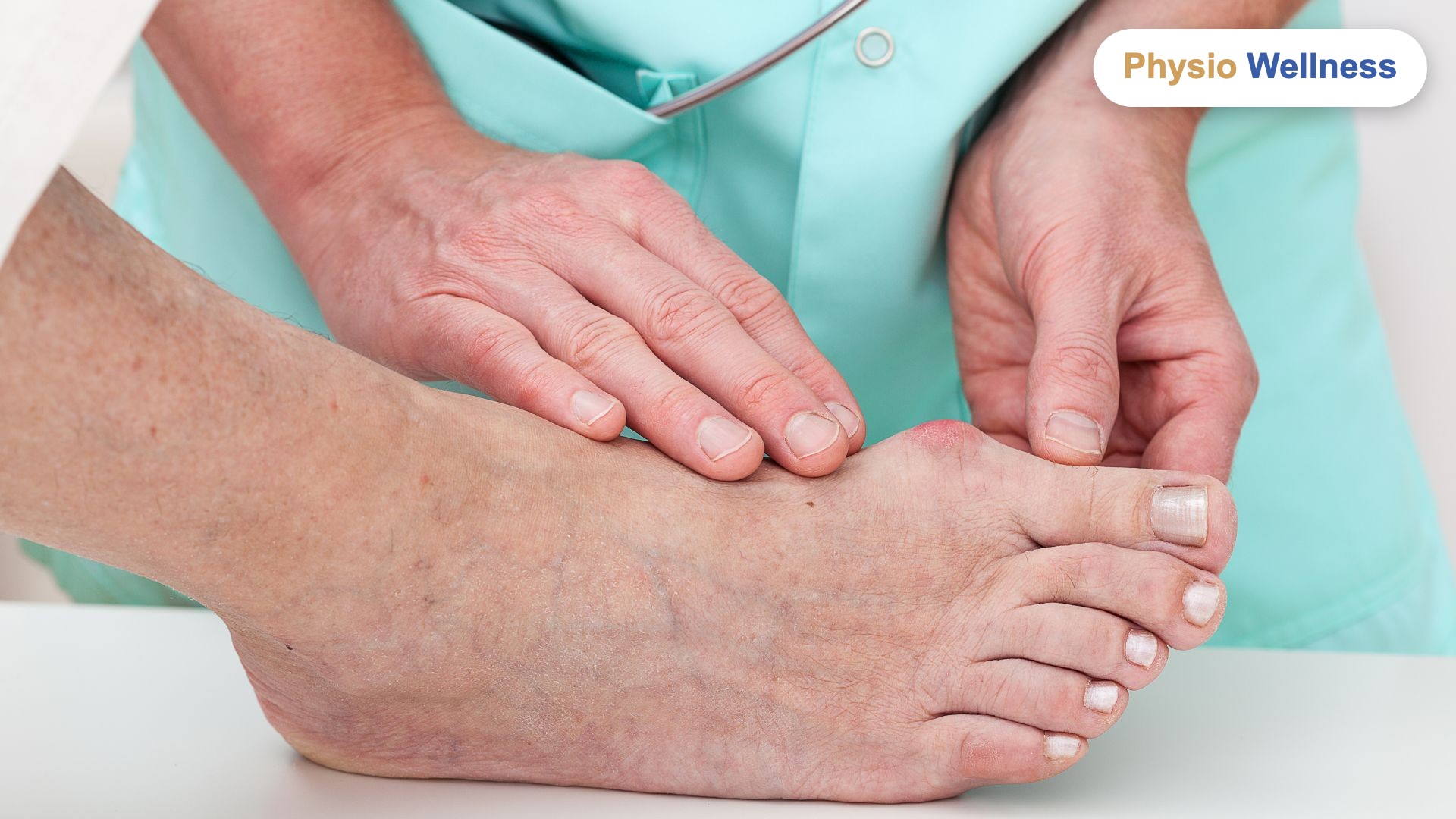
It starts small. The big toe joint feels stiff first thing in the morning, or it catches when you push off at the end of a stride. Going up stairs, standing from a squat, pushing off to run, that is when the ache at the base of the big toe shows up, and over time the joint just does not bend the way it used to. Maybe a bump has started to form on the top of it, and your shoes press on it. This is hallux limitus, and it is one of the most common and most missed causes of forefoot pain. Here is the honest version of what it is, why it happens, and what actually helps here in Etobicoke.
What hallux limitus actually is
Hallux limitus means limited motion of the big toe, specifically at the joint where the toe meets the foot, the first metatarsophalangeal joint. To walk normally, that joint has to bend upward around 60 degrees every time you push off. When the cartilage in the joint starts to wear and the joint stiffens, that upward bend shrinks, and every step asks the joint to do something it can no longer do comfortably. That is the ache and the catching you feel. It is, in plain terms, early arthritis of the big toe joint. Left to progress, limited motion can become no motion, a stage called hallux rigidus, where the joint is stiff and often has a visible bony bump on top.
Why it happens and what it feels like
Some of it is mechanics and some of it is luck. A foot that rolls inward too much, an unusually long or elevated first foot bone, a past stub or fracture of the toe, years of high-impact loading, or simply a family history of joint wear can all push the joint toward stiffening. It is not caused by tight shoes the way a bunion is, though tight or rigid shoes make it hurt more.
The pain sits right at the base of the big toe, on the top of the joint rather than the side. It is worst on push-off, going up stairs, squatting, or wearing heels, and it eases with rest. Early on it is stiffness and a dull ache; as it advances you may feel grinding, notice the bump on top catching in your shoe, and start rolling onto the outside of your foot to avoid bending the toe, which then bothers the ball of the foot, the ankle, or even the knee.
The honest part: what actually helps
Here is what we will not pretend: worn cartilage does not grow back, and no exercise or insole reverses arthritis. What conservative care does, and does well, is take the load off the joint, restore as much comfortable motion as possible, calm the irritation, and slow how fast it progresses, so you stay active and often avoid or delay surgery. Caught early, that combination keeps a lot of people comfortable for years.

How we treat hallux limitus at Physiotherapy Wellness Inst
We start by confirming it is the joint and gauging how much motion is left, because that decides the plan. From there, treatment usually combines a few things: hands-on joint mobilization and soft-tissue work to keep the joint moving and ease stiffness, targeted physiotherapy to strengthen the foot and correct the mechanics loading the joint, and, most importantly for this condition, offloading the joint so it stops getting aggravated every step.
That offloading is where custom orthotics earn their place. A well-made orthotic with a stiffer forefoot, often with a feature called a Morton’s extension, limits how far the painful joint has to bend and spreads the load, which for many people is the single biggest source of relief. Pairing that with the right footwear, a stiff-soled or rocker-bottom shoe that does the bending for you, changes daily life quickly. For a stubborn, irritated joint that will not settle, shockwave therapy can help calm the pain and inflammation as part of the plan.

Simple changes that help day to day
- Choose stiffer shoes. A firm sole that does not fold in half at the toes lets the shoe bend instead of your joint. Rocker-bottom soles are ideal.
- Retire the heels and the flexible flats. Both force the joint into the exact bend that hurts.
- Ease off deep toe-bending loads. Deep squats, lunges, and sprinting off the toes flare it; swap in lower-impact options while it settles.
- Do not walk it off on the outside of your foot. Compensating like that just moves the problem to your ankle and knee.
When it needs more than conservative care
If the joint has become truly rigid, is grinding constantly, and pain persists despite good footwear, orthotics, and therapy, it may have progressed to hallux rigidus, where a surgical opinion is reasonable. That is not the starting point and not most people, but it is worth knowing the line. If your toe joint is hot, red, and swollen out of proportion, or the pain came on suddenly with no clear cause, get it checked promptly, because gout and infection can look similar and need different care.
Questions people ask
Is hallux limitus the same as a bunion?
No, though people mix them up because both affect the big toe. A bunion is the toe drifting sideways with a bump on the inner edge. Hallux limitus is the joint stiffening with pain and often a bump on the top. You can have both, but they are different problems with different fixes.
Can hallux limitus be reversed?
The cartilage wear itself cannot be reversed, but the pain and stiffness can very often be managed well. The goal is comfortable motion, less load on the joint, and slowing progression, which keeps most people active without surgery.
What shoes are best for a stiff big toe?
Firm, stiff-soled shoes with a wide toe box, ideally with a rocker bottom. Avoid high heels and thin, bendy flats. A custom orthotic inside a good shoe makes a noticeable difference.
Will it get worse over time?
It tends to be progressive if the joint keeps getting overloaded, which is exactly why early offloading and mechanics work matter. Addressing it sooner usually means a slower, more comfortable course.
Do I need surgery?
Most people do not, especially when it is caught before the joint fully stiffens. Surgery is considered only when conservative care has genuinely been exhausted and the joint is rigid and painful.
Ready to get that big toe moving comfortably again?
If pushing off hurts and your big toe joint feels stiffer than it used to, the worst thing you can do is wait for it to fully stiffen. Come see us at Physiotherapy Wellness Inst, 6620 Finch Avenue West, Unit 9 in Etobicoke, and we will assess the joint, sort out your footwear and orthotics, and build a plan to keep you moving. Call (416) 489-5313 or book online, and we will tell you honestly where your joint sits and what will help most.
Leave a Reply